Distance hides trouble
A longer run from road to house gives a slow leak more ground to soak before it ever shows.
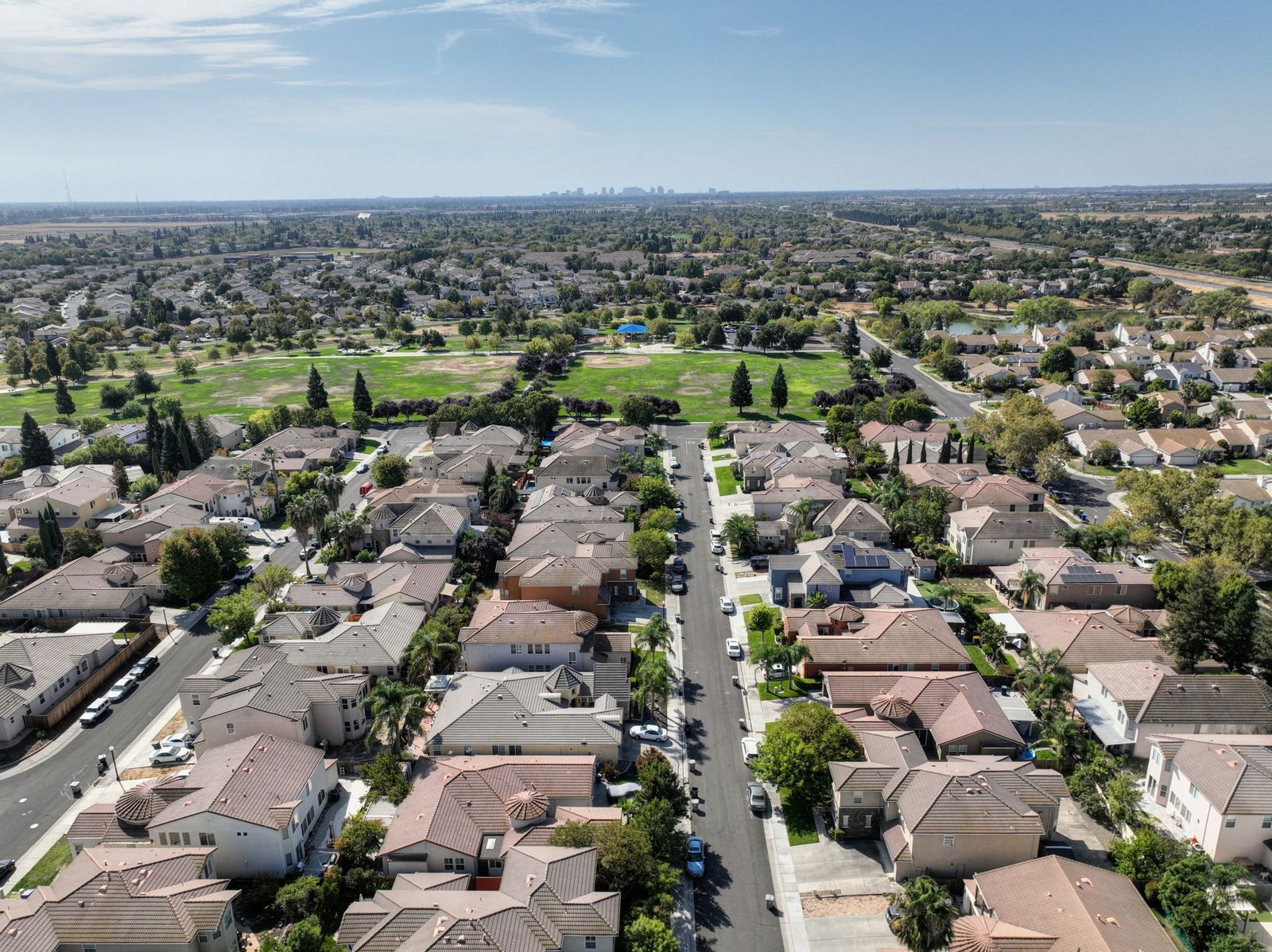
When the house sits well back from the road, a leak can run for a long time before anyone notices. If your yard looks wrong or the taps have gone weak, call and we will connect you with a local pro.
Serving 17557
Distance hides trouble
A longer run from road to house gives a slow leak more ground to soak before it ever shows.
Newer lines, different questions
Subdivision homes from the 1980s to 2000s usually raise joint and pressure questions, not old-pipe ones.
Trees, drives and lawns
Mature landscaping on bigger lots often makes digging a careful decision rather than a default.
Out past the town line
Earl Township wraps around New Holland Borough on every side, and that one fact explains a lot. Near town the lots are modest and the houses sit close to the road. Farther out, the yards grow, the driveways stretch, and the pipe that feeds the house may run a good distance underground before it reaches the meter.
A longer line means more places for something to go wrong, and fewer chances to spot it. A leak in a front yard shows up fast. A leak forty steps from the house can saturate soil quietly while your only clue is a bill or a shower that has lost its force.
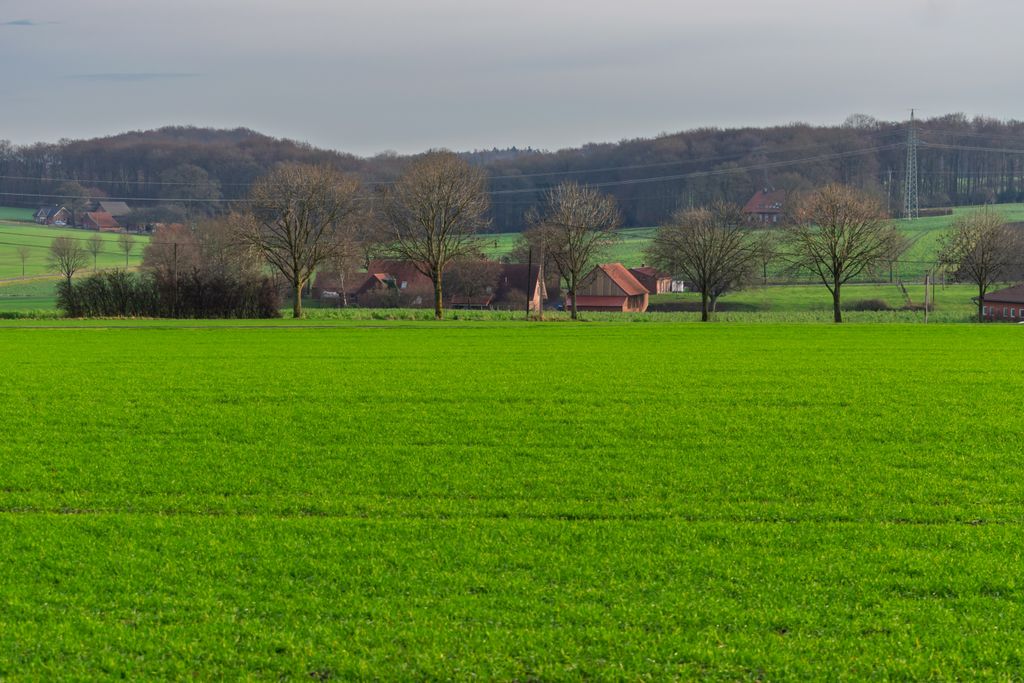
Not sure which kind of house you have? Describe it and a pro will sort it out.
Tell us what the meter is doingSubdivisions and open ground
The neighborhoods nearest town were developed between the 1980s and the 2000s. Homes there tend to have newer lines, often laid in regular patterns, with a basement or a slab and the meter in a predictable spot. Most share ZIP code 17557 with the borough itself.
Beyond them, the township opens up. Farmland homes and small villages sit on bigger parcels, with long driveways, mature trees and room between the road and the front door. Some of these houses are decades older than the subdivisions, and the original pipe may still be in service on a few.
One plain note: the service applies to homes on public water, and well or septic work is not something this site handles.
Winters here are cold, and on open ground with little shelter the freezing and thawing can be a factor for buried pipe, as a general tendency.
Where it goes sideways
In the subdivisions, trouble more often comes from fittings, joints and the points where the line changes direction or connects at the meter. A line put in during the 1980s or 1990s is far younger than a century-old pipe, but it is not new, and a weak connection can let go long before the pipe itself wears out.
On the long runs, root growth, shifting soil and simple distance add risk. A line that passes under a mature tree or beneath a driveway can be stressed by both. When pressure falls on such a property, the cause might be the buried line, or something closer to the house. That is exactly the question low pressure on the main line takes up in detail.
When the line itself is the problem, a small, localized failure may call for a main water line repair rather than starting over. Longer runs also raise the question of method. Trenchless water line replacement is often considered on lots with mature trees, driveways or finished landscaping. It is not always possible, and it does not always lower the cost, so the technician explains what fits your property.
First look
The technician starts with the meter and shut-off, then walks the likely route of the line. On a big lot, that walk matters: the distance from the road, any trees along the way, the driveway, and any low or soggy ground that might mark the line.
They also check how the pressure behaves. Weak at every fixture points one way; weak at one tap points another. Where the house sits relative to the road, and how long the run is, can both shape what the technician suspects.
Then comes the quiet test. With every tap and appliance off, does the dial still move? Your photos help here. Together these checks tell the technician whether the problem looks like a leak, a restriction, or something else entirely.
Safe steps
Long run, big yard, strange meter? Tell us what you are seeing and we will point you to a local pro.
Phone a New Holland dispatcherHow a call goes
Out here the owner usually carries responsibility for the run that starts at the meter, curb stop or property line and ends at the house, which on a big lot can be a long way. Where the private side begins is not the same for every property, so confirm it with your water provider before you assume.
Next door
The township borders the older streets of New Holland Borough, where tight lots and basements shape the work very differently. To the north, Martindale has village homes and a few farmhouses. If your address falls near either, the dispatcher will work out which description fits.
Township questions
It can. A longer run means a leak may be buried well away from the house, so the first sign is often indirect: a higher bill, a meter that keeps moving, or pressure that drops. A wet or unusually green patch may appear along the route, though not always. The meter test is the useful starting point, and the technician can then judge whether the buried line is the likely cause.
Distance and pipe condition both play a part, so a long line can feel the effect of a restriction or leak more than a short one. That does not mean the line is the culprit. Fixtures, valves and other things can cause weak pressure too. Tell the dispatcher whether all taps are weak or just a few, because that detail helps narrow the cause.
Sometimes, but not always. Trenchless methods can reduce surface disturbance on some lots, which is why they come up so often on larger properties. Whether they work depends on the soil, the route, the pipe and what is in the way. Only a technician who sees the property can say. Be cautious of anyone who promises it over the phone.
Often a newer line has fewer age problems, but that is only a tendency. Trouble in newer homes tends to come from joints, fittings or a local failure rather than general wear. If you have symptoms such as a moving meter or weak pressure, they are worth checking regardless of how new the house is, because a young line can still develop a local problem.
Start with the pattern. If showers, sinks and outdoor spigots all weaken together, the line feeding the house becomes a stronger suspect. If only one fixture is weak, the cause is more likely at that fixture. The meter test adds a clue about leaks. Tell the dispatcher what you notice at each tap, and the technician will sort out where to look first.
Roots can stress buried pipe over time, and a line that runs near a large tree may be affected, but this is a general tendency, not a certainty. The technician looks at the route and what grows along it. If a tree is in the way of a dig, that is one reason trenchless options get discussed on lots like yours.
Typically the owner takes care of the pipe from the meter, curb stop or property line through to the house, though the exact handoff point varies, so confirm with your water provider. On a longer township run, that private portion can be a good length. The technician can point out where it appears to begin once they see your meter and shut-off, which makes the conversation with your provider easier.
Treat it as worth a call. Frozen ground that thaws and freezes again can strain buried pipe, and cold weather can make a weak spot worse. Close the main shut-off if water is escaping, keep vehicles off the soft ground, and note where the patch is. Then describe it to the dispatcher. Waiting for spring can let a small problem grow, and the ground may hide how much water is already escaping.
Ready to talk it through? Call and describe your yard, your meter and your pressure.
See who can come out today