Weak at every tap
When the shower, kitchen sink and outdoor spigot all lose strength together, the cause is rarely a single fixture.
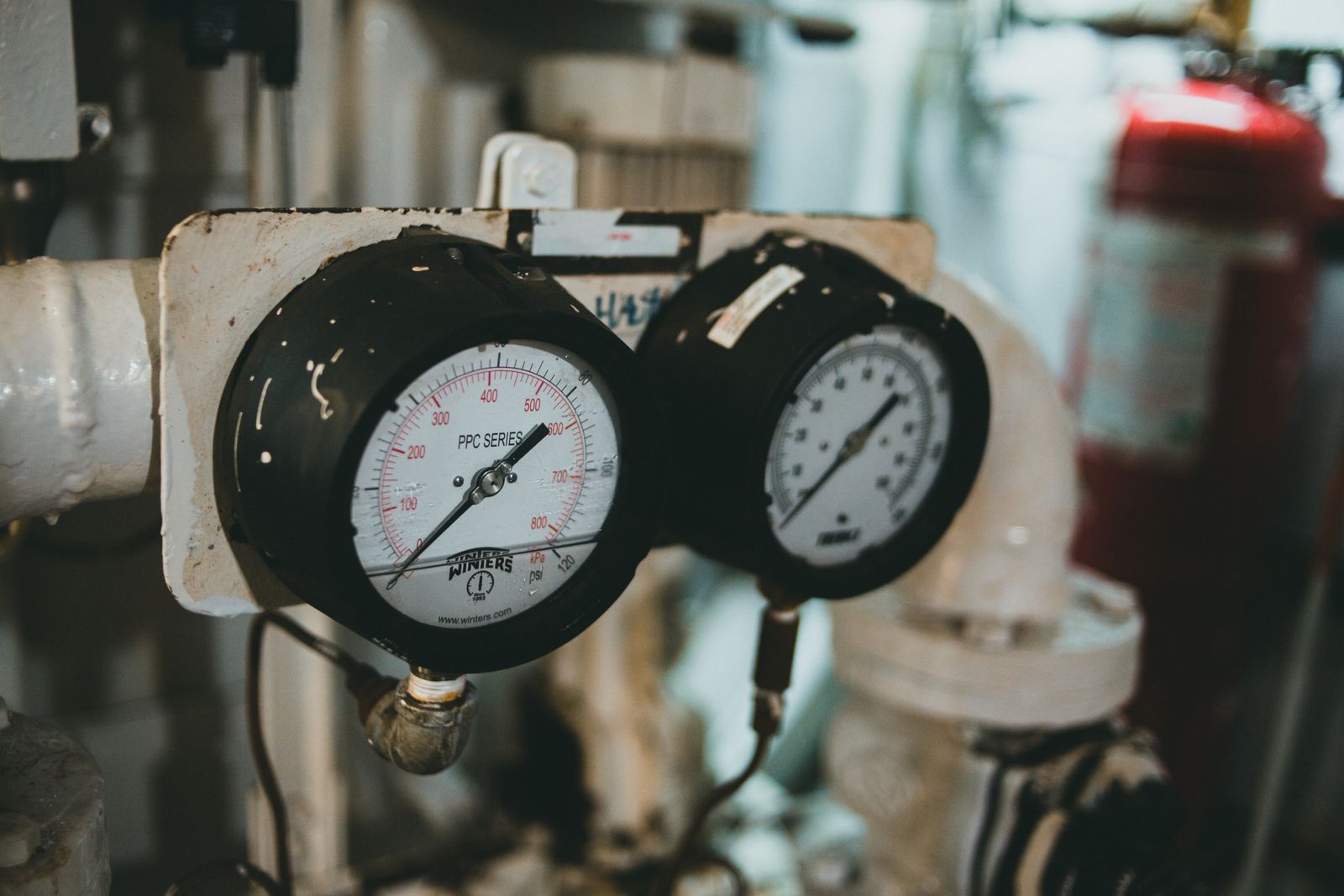
The shower used to blast and now it dribbles, and the kitchen tap is no better. When pressure drops everywhere at once, call and a local pro can work out whether the line from the street is the cause.
Serving 17557
Weak at every tap
When the shower, kitchen sink and outdoor spigot all lose strength together, the cause is rarely a single fixture.
A slow fade, not a sudden drop
Pressure that sags over seasons often points to a line narrowing inside, not a one-day failure.
Pressure plus a wet spot
Low pressure combined with soggy ground or a moving meter is a reason to call sooner.
Nobody notices pressure until it is gone. You turn on the shower and it feels like rain. You run the dishwasher and the washing machine fills slowly. If that sounds like your house, the question behind low water pressure from the main line in New Holland is simple: is the problem inside the walls, or is it the buried pipe between the street and your front door?
Scope
Start by sorting out how widespread it is. One weak faucet usually means a clogged aerator, a worn cartridge or a stiff supply valve under the sink. That is a fixture problem, and it is quick to rule out.
If cold water is weak at the kitchen sink, the bathroom, the laundry and the hose connection, the fixture is not the culprit. Something upstream is limiting how much water gets into the house. Hot water that is weak while cold is fine points a different way, toward the water heater and its piping.
Whole-house weakness narrows the suspects to a short list: the main shut-off, a pressure regulator if the home has one, the service line itself, or the supply from the provider. A technician works through that list in order, which is why a few honest answers on the phone save time later.
Throttling
Think of a garden hose with a kink or a pinched section. Water is available behind it, but only so much squeezes through. A buried line can behave the same way. Older steel pipe can rust on the inside and the opening shrinks as deposits build. Joints and fittings can add their own resistance. The result is a pipe that technically still carries water but cannot keep up when two fixtures run at once.
Size matters too. A line that was adequate for a small household decades ago can feel undersized after a bathroom is added, or when the family grows. The pipe has not changed. The demand has. Pressure that looks fine with one tap open and collapses when the dishwasher and shower run together is a classic sign.
Both stories end the same way: a noticeable gap between what the house wants and what the line delivers. Our page on old galvanized and lead-era service lines explains how aging pipe reaches that point and how to tell what you have.
Rule-outs
A good technician does not start with a shovel. Several other things can cause low pressure, and they are quicker to check:
Only after those checks do the odds shift toward the line. It is a process of elimination, and an honest one: a technician who finds a stuck valve should say so rather than quote a new pipe.
Diagnosis
On a visit, the first step is usually watching how pressure behaves. The technician may check it at an outdoor spigot or near the meter, compare it with what happens at the farthest fixture, and see how it changes when more than one tap runs. They will look at the main shut-off, any regulator and the meter, and ask when the problem began.
The history helps. Did it fade slowly, or change on one particular day? Did it come after plumbing work or a cold snap? Did the neighbors notice anything? You do not need technical words for any of this. The dispatcher asks simple questions and passes your answers along.
If the pattern points toward the buried line, the technician explains what they found, what the options are and the price before any work begins. A leak-detection visit may also make sense when a moving meter suggests water is escaping, which the leak detection page covers.
Pressure sagging in every room? Describe it and a local pro can help narrow down the cause.
Call for a clear explanationReal fix
Sometimes a line has simply done its time. When tests show the pipe is the restriction, patching or adjusting around it may not change much, and replacing the affected run is the honest fix. Nothing is promised, because pressure depends on the water system, the home’s plumbing and the size and condition of the pipe all at once. A new line removes one restriction. It does not promise a particular number at the shower.
Replacement options range from a conventional trench to methods that disturb less of the yard, when the site allows. The technician explains what suits your property. For the full picture of the process and what it involves, see main water line replacement.
Safe steps
Local homes
How far the water travels, and what it passes through, shapes pressure at the tap. In the New Holland Borough core, the 18th and 19th century houses and early 20th century blocks sit on tight lots with basement entries. The run is short, but the pipe and fittings can be old, and aging steel is a frequent reason for a slow decline.
Around the borough, the 1980s and 1990s houses have younger pipe, so weak flow there more often traces back to a valve, a regulator or a fitting before the line itself.
In Earl Township, subdivisions near town have a moderate run from the road, while farmland homes can have a much longer one. A longer run gives pressure more chances to fall off, and an older or smaller pipe makes it worse. Older village homes in places like Martindale can combine old fittings with extra length. This page is about homes on public water.
Cold winters play a part as well. Deep frost strains buried pipe, and a weak spot may show up as lower pressure before it shows up as a leak. Usually the owner of the house is responsible for the private side, meaning the stretch from the meter, curb stop or property line to the building, though the split varies and your water provider can tell you where it falls.
Pressure still weak after trying other taps? Tell us which fixtures struggle and when it began.
Ask about trenchless options by phonePressure questions
When every tap is weak, the cause is upstream of the fixtures. The usual suspects are a partly closed or failing main valve, a worn pressure regulator, a narrowed service line, or conditions on the provider side. A technician rules them out in order, starting with the quick ones. Tell the dispatcher whether hot and cold are both weak, since weak hot water alone suggests the water heater instead.
It can. A pipe that suited a smaller household may struggle when more fixtures and appliances run at once, and older pipe may also have narrowed inside from corrosion. Signs include pressure that is fine with one tap open and drops when two or three run together. A technician can look at the line, discuss options and explain what a larger or newer pipe could change, without promising a particular result.
Homeowners generally look after the pipe on their own side of the connection, from the meter, curb stop or property line to the house, though the dividing point varies and it is worth confirming with your water provider. If pressure is low at the meter itself, that points away from your pipe. If it is fine at the meter and weak indoors, your side is the likelier source. A technician can test at both points.
A booster treats a symptom. It can raise pressure in the house, but it cannot add water to a pipe that is narrowed or restricted, and it may not make sense if the real problem is a stuck valve or a corroded line. The technician explains whether a booster has any place in your situation or whether fixing the cause is the sounder route.
Sudden drops usually have a specific cause. It could be a valve that was bumped or partly closed during other work, a regulator that failed, a break somewhere along the line, or work on the water system outside your property. If you also see a wet patch or the meter moves with everything off, treat it as more urgent and call. Otherwise note when it began and mention it.
In general, yes. Elevation can affect water pressure, because water has to be pushed uphill and a house sitting higher than the supply may see less pressure than one below it. That is a general principle, not a claim about any particular address. A technician can read the pressure at your meter and tell you what is normal for the setup.
Usually pressure at an outdoor spigot or near the meter, compared with the farthest fixture. They will look at the main shut-off, any regulator and how the pressure changes as more taps open. These checks are quick and often show whether the problem is inside, at the valve or in the buried line. The goal is to avoid digging anything up until the evidence points there.
Usually not by itself. A slow fade can wait for a convenient appointment. But low pressure combined with a wet spot in the yard, sunken ground or a meter that keeps moving with everything off suggests water may be escaping, and that deserves a prompt call. If water is escaping, close the main shut-off first, then tell the dispatcher what you see and where, so the technician arrives knowing what to expect.
Yes. A valve that has partly seized, corroded inside or never been fully reopened after work can restrict flow to the whole house. Older gate valves are a common example. If the handle feels stiff, note it and tell the dispatcher. The main water line repair page covers what happens when the problem is in the pipe, not the valve.