A handle that will not budge
A valve untouched for years can seize, and a stuck valve is no help when water is pouring out.
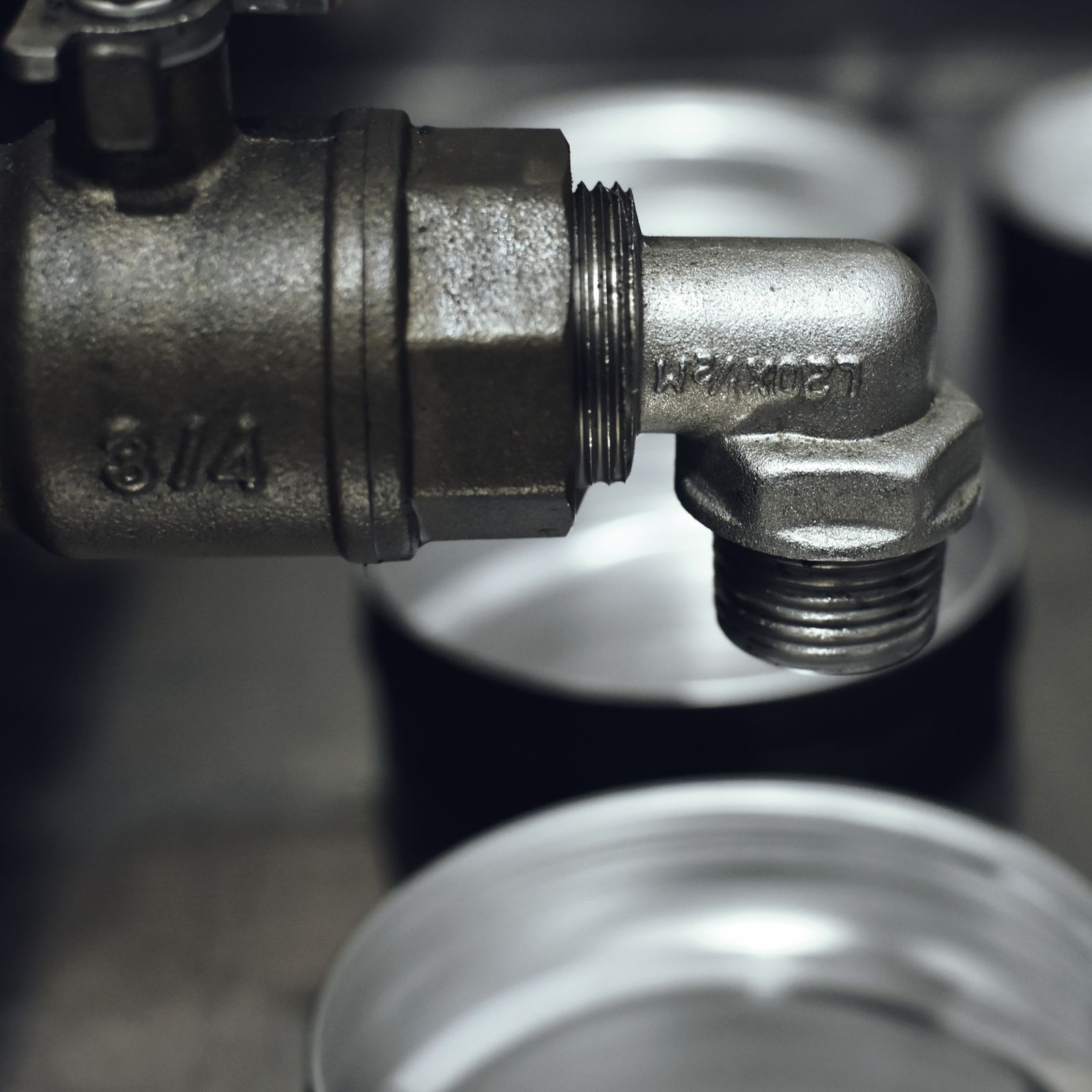
The main shut-off will not turn, or it drips at the stem, or you cannot find it at all. Call and a local pro can look at the valve before a small problem becomes a flooded basement.
Serving 17557
A handle that will not budge
A valve untouched for years can seize, and a stuck valve is no help when water is pouring out.
Drips at the valve stem
A slow weep around the handle or packing is a sign the valve is wearing out.
Water that will not fully stop
If the taps still trickle with the valve closed, the valve is not doing its job.
Most people meet their main shut-off valve at the worst possible moment: a pipe has burst, water is running, and the handle will not turn. A little attention to the valve beforehand buys real peace of mind. If you are searching for main shut off valve replacement in New Holland, this page explains what the valves are, what goes wrong with them and what a pro looks at.
Basics
There are usually two shut-off points on the water line serving a house.
The main shut-off is inside the home, typically close to where the line enters and often next to the meter. It controls water to the whole house. It is yours to use, and the one you should know how to find.
The curb stop is buried near the street or property line, usually under a small cover. It lets the water provider shut off the supply to a property. It is not a household valve, and homeowners should not operate it themselves. Leave the curb stop to the provider and the technician.
Between them, these two valves give you control at the house and give the system control at the property line. When either one fails, the other becomes the only protection you have.
Failure
Valves wear out in predictable ways, and most of them are mechanical. Older gate valves have a wedge inside that can corrode in place. Packing around the stem can dry and begin to weep. Handles snap off. Internal seats erode so the valve no longer seals.
Typical signs include:
A valve that has not moved for years is the likeliest to fail when you need it, and a stiff valve often sits on an aging pipe, as the page on old service lines describes. Valves are mechanical parts, and mechanical parts that never move tend to stick.
Indoor valve
Replacing the main shut-off means closing the supply upstream, removing the old valve and fitting a new one on the line. The technician handles that because the house has to be isolated first. If the old valve will not close, the curb stop or the provider may need to be involved so the water can be stopped upstream before the work starts.
Many homes today get a full-port ball valve in place of an older gate valve. Full-port ball valves are common because they open and close with a quarter turn and tend to be less prone to seizing, but the technician decides what suits your pipe and fittings. This is a general tendency, not a rule.
The job is often tied to a broader look at the line. If the pipe where the valve sits is corroded or old, the technician may recommend main water line repair at the same time, or bring up the larger picture covered under main water line replacement. Upfront pricing is explained before work begins, with no hidden fees. Where a technician is available, same-day work may be possible, and the dispatcher tells you honestly what is realistic.
Valve stuck or leaking at the stem? Describe it and a local pro can look at it before it fails.
Speak with a local main water line techAt the curb
The curb stop sits in the part of the system where your responsibility and the provider’s meet. In most setups the homeowner usually looks after the private stretch running from the meter, curb stop or property line in to the house, though the dividing point differs from place to place, so check with your water provider. Who owns and maintains the curb stop itself is part of that question.
Problems with this valve are often coordinated with the water provider. If the cover is buried, cracked or sunken, if you can see water pooling around it, or if the technician finds that the valve will not close, the next step usually involves contacting the provider rather than handling it alone. A good technician will tell you that plainly and help you make the call.
Please do not try to open or turn the curb stop yourself, and do not dig around it. Other utilities may be buried nearby, and the valve is not designed for household use.
A valve you can trust is the first line of defense.
Book your main water line visitEmergency
When a pipe bursts or a joint fails, minutes matter. Water at household pressure moves a lot of volume quickly, and a basement, finished room or crawl space can take on a surprising amount before anyone arrives. A valve that closes quickly and fully is the difference between a mop-and-towels afternoon and a serious cleanup.
Frozen pipes are the classic example. Cold winters, deep frost and freeze-thaw cycles put stress on lines and fittings, and when a section splits, the thaw is when the water comes. The households that cope well are the ones who already know where the valve is and know it works.
A shut-off that works also lets a technician do their job. Fixing a fixture, replacing a section or testing the line all start with stopping the water. If the valve will not seal, even simple work becomes harder.
Local homes
Where the valve hides tends to follow the age of the house. Farmland homes in Earl Township and houses in the older borough core often have it on a basement wall where the line comes in, sometimes behind boxes or shelving. A house from the 1980s or 1990s more often has it in a utility corner of the basement or crawl space. Slab homes are likelier to put it in a garage, a closet or on an exterior wall, where winter cold can reach it.
Out in Martindale and the other villages, older houses may carry more than one valve from earlier additions, and one of them may not be the true main. Homes in New Holland Borough on tight lots often have the line entering at a corner of the cellar.
Frost matters for any valve on an exterior wall or in an unheated space. The service covers homes connected to public water.
Safe steps
Not sure your shut-off would work in an emergency? Call and talk it through with a local pro.
Get a straight answer by phoneValve questions
It is usually where the water line enters the house, close to the meter. In older homes that is often a basement wall, sometimes behind stored items. In slab homes look in a garage, utility closet or on an exterior wall. It is typically a handle or lever on a pipe. Finding it before you need it is the point. If you cannot find it, tell the dispatcher what the house is like and they can help you narrow the search.
Do not force it with tools. A seized valve can break, and a broken valve can leave you in a worse position than a stiff one. Note where it is and what it does, then call and tell the dispatcher. If water is escaping, say so. A technician can look at the valve, work out whether it can be freed or needs to be replaced, and explain the upfront price before anything starts.
It depends on the system. Households are usually on the hook for the private portion of the line, which runs from the meter, curb stop or property line to the house, but where that portion starts is not the same everywhere, so confirm with your water provider. The provider can tell you who owns and maintains the curb stop at your address. A technician can also say where the private side appears to begin.
Sometimes. A weeping stem can occasionally be addressed without replacing the whole valve, but an older valve with worn internals may be more reliably handled by replacement. The technician looks at the valve, the pipe around it and its age, then explains which approach makes sense. They should say clearly if repair is likely to be a short-term fix. Do not wait too long, since a leak at the valve can grow.
Mainly, know where it is and make sure everyone in the house does too. If the handle feels stuck, gritty or stiff, or it will not close, stop there. Do not force it and do not use tools or leverage. Make a note of what you see and call so a pro can look at it. Learning the valve is stuck on an ordinary day is far better than discovering it during a burst pipe, and it gives you time to plan the work.
Full-port ball valves are common in modern installations, because a quarter-turn handle is quick in an emergency and the design tends to hold up better than older gate valves. That is a general tendency, and the right choice depends on your pipe size, material and existing fittings. The technician explains what they recommend and why, and you can ask questions before agreeing to the work.
Where a technician is available, same-day service may be possible, and emergency dispatch is available for urgent cases such as a valve that will not close during a leak. The dispatcher tells you honestly what is realistic when you call. Planned replacements can be scheduled when it suits you. What the job involves depends on the valve, the pipe around it and whether the supply can be shut off upstream.
A valve that does not seal completely is no longer protecting you. If water is escaping, close it as far as it will go without forcing it, then note whether the taps still run and call. The valve may have worn internal parts, or debris may be holding it open. A technician can test it and tell you whether it needs replacing. If water is escaping, the dispatcher can talk you through safe steps.
A weep at the stem or packing nut usually comes from age. The seals around the handle shaft dry out over time, especially on valves that rarely move. A small drip is easy to ignore, but it can leave mineral crust and signal that the valve is wearing out. Mention it to the dispatcher, and the technician can tell you whether it is a minor issue or a reason to replace the valve.